
Written By: Stephanie Rojas | August 10, 2026
Time to Read 12 Minutes
In 2026, the most profitable house flips aren't found in the cheapest zip codes. They're hidden in markets with the highest inventory velocity and demand resilience. You've likely noticed that shrinking profit margins and high acquisition costs in primary hubs are making it harder to find a deal that pencils out. It's frustrating to see your potential ROI disappear before you even start the rehab. You need a strategy that prioritizes speed and data over guesswork.
Finding the best real estate markets for flipping houses requires looking past the surface. We'll help you identify five specific cities, including high-growth areas like Houston, where the numbers still make sense. You'll discover the exact metrics that separate a lucrative deal from a risky bet. We'll also explore how to use an investment property calculator to vet your numbers instantly. By the end of this article, you'll have a clear roadmap to secure profitable flips and the fast funding you need to close them. It's time to stop worrying about market saturation and start focusing on where the real growth is happening.
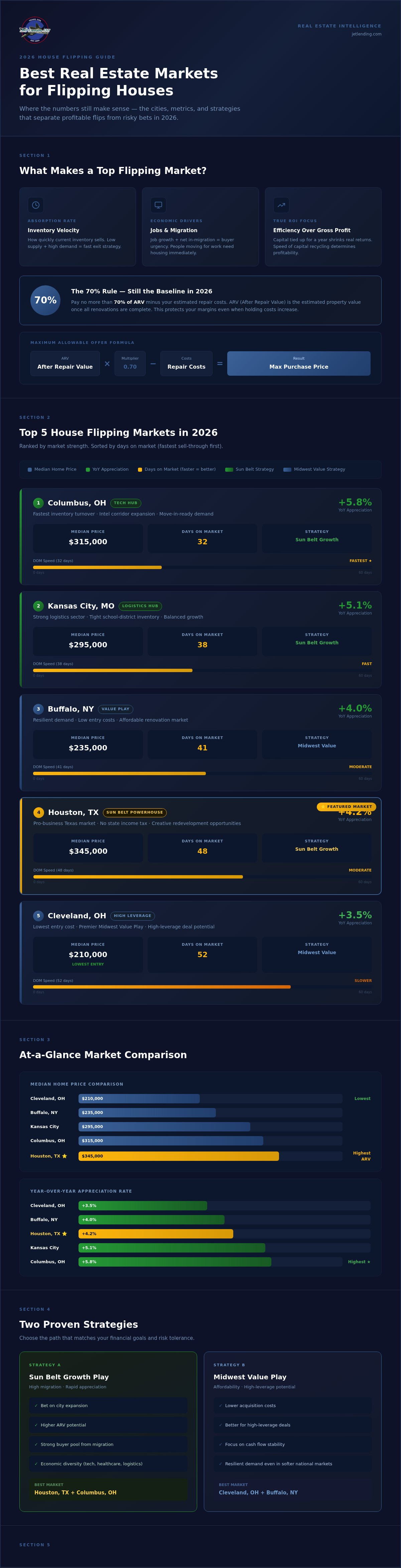
Identifying the best real estate markets for flipping houses involves more than just hunting for the lowest price tags. You need a perfect storm of affordability, high buyer demand, and manageable renovation costs. While some investors chase large gross profit numbers, experienced flippers focus on Return on Investment (ROI). A high gross profit looks great on paper, but if your capital is tied up for a year, your actual profitability drops significantly. Efficiency is your goal. You want to put your money to work, get it back with a gain, and move to the next project as fast as possible.
You must also track the absorption rate. This metric tells you how quickly the current inventory sells. In a healthy house flipping environment, you want to see a low supply and high demand. Look for local economic drivers like consistent job growth and positive net migration. When people move for work, they need housing immediately. That creates the urgency you need for a quick exit. When you analyze the best real estate markets for flipping houses, the absorption rate is often your most reliable indicator of future success.
Success starts with a clear understanding of the After Repair Value (ARV). ARV is the estimated value of a property after all renovations are complete. In 2026, the 70% rule remains a solid baseline. This means you should aim to pay no more than 70% of the ARV minus your estimated repair costs. Finding reliable data can be tricky in non-disclosure states like Texas. You'll need to lean on local agents or professional partners who have access to actual sold prices to ensure your projections are accurate and your margins stay protected.
Days on Market (DOM) is a critical metric that many new investors overlook. Every extra day you hold a property, your holding costs, such as insurance, taxes, and interest, chip away at your bottom line. With interest rates remaining a factor in 2026, speed is more than a preference; it's a necessity. You can't afford to let a project linger. To get a real sense of neighborhood demand, attend local realtor networking events. These professionals see the offers coming in and can tell you which streets are seeing bidding wars and which ones are cooling off.
Choosing the right city is the difference between a six-figure payday and a stagnant listing. In 2026, the best real estate markets for flipping houses aren't just about low prices; they're about economic diversity. You want cities where tech, healthcare, and logistics are booming. This ensures a steady stream of buyers even if the national market softens. We've analyzed residential real estate sales data and local migration patterns to narrow down the top five contenders.
The Sun Belt Growth Play, led by Houston, relies on high migration and rapid appreciation. You're betting on the city's expansion. Conversely, the Midwest Value Play focuses on affordability and cash flow. Before you commit capital to any of these regions, it's smart to run your numbers through a professional tool to ensure your margins are protected against shifting interest rates.
Tech expansion continues to drive housing demand in these affordable regions. As major firms move operations inland to escape coastal costs, they bring high-earning employees who want renovated, move-in-ready homes. The "Zoom Town" effect hasn't faded; it's evolved. Buyers are looking for suburban pockets with dedicated home offices and modern finishes. In Columbus, look for fixer-upper pockets near the expanding Intel corridor. In Kansas City, focus on neighborhoods with established school districts where inventory remains tight.
Low entry points in Cleveland and Buffalo allow for higher leverage and lower initial risk. These markets are ideal for investors who want to scale their portfolios without needing massive cash reserves. One of the biggest advantages here is the strong rental demand. If a flip doesn't sell as quickly as you'd like, these cities are perfect for the BRRRR method. Having a solid "Plan B" to pivot into a long-term rental provides an essential safety net in a changing economy.
Texas continues to dominate the conversation regarding the best real estate markets for flipping houses. The state's pro-business climate and the absence of state income tax keep the migration numbers high. While earlier we noted the steady appreciation rates, the real driver here is the "Texas Two-Step." You have a massive influx of new residents competing for a limited supply of entry-level homes. According to U.S. Census Bureau housing data, the construction pipeline in Texas is robust, but it still struggles to keep pace with the demand for renovated, move-in-ready properties.
Houston specifically offers a competitive edge found nowhere else: the lack of formal zoning. This allows you to execute creative redevelopments that would be tied up in red tape in other major metros. You can pivot a project from residential to boutique commercial or increase density with fewer hurdles. However, you must respect the local legal landscape. Texas foreclosure and property tax laws have specific timelines that can catch out-of-state investors off guard. Local knowledge is your best insurance policy against expensive delays.
Your success depends on zooming into the right micro-markets. While the Greater Heights remains a premium choice, savvy investors are looking toward the East End and the neighborhoods surrounding the Texas Medical Center. These areas are anchored by massive employment hubs that provide a recession-resistant foundation for your ARV. To find the best off-market opportunities in these pockets, you need to build a local power team. Attending realtor networking events is the fastest way to connect with wholesalers and agents who have their finger on the pulse of these specific streets.
In a fast-moving market like Houston, your financing needs to be as aggressive as your offer. National lenders often lack the granular data to appreciate the value of a specific Houston block. Local hard money lenders understand the neighborhood-level shifts that drive profit. They provide the rapid, asset-backed funding required to beat out high-volume competitors. Jet Lending, LLC brings over two decades of local experience to your project. We don't just provide capital; we act as a mentor to ensure your deal analysis is sound and your exit strategy is realistic. Speed and local insight are what separate the professionals from the amateurs in this market.
Gut feelings don't pay the bills. In the best real estate markets for flipping houses, competition is too fierce for guesswork. You need a rigorous deal analysis phase before you ever sign a contract. Start by estimating your renovation costs. You don't need to be a licensed contractor to spot big-ticket items. Inspect the foundation for visible cracks, check the age of the HVAC unit, and look for water damage in the attic. Use a standardized checklist to assign rough costs based on the home's square footage. This initial ballpark estimate helps you decide if a property deserves a full professional inspection.
Watch out for the holding cost trap. Many new investors focus solely on the purchase price and the rehab budget. They forget that every day they own the home, they're paying for property taxes, insurance, and interest. If your project timeline slips by just two months, those daily costs can eat your entire margin. Always build a 15% contingency into your budget and your schedule. A conservative exit strategy is your best defense. Don't base your profit on the absolute highest sale in the neighborhood. Instead, look at the median price of the three most similar homes sold in the last 90 days.
Manual spreadsheets are where profits go to die. It's easy to overlook a specific closing fee or miscalculate the impact of a half-point interest rate move. You need a tool that accounts for every variable, from loan origination fees to utility costs during the rehab phase. By inputting your specific loan terms and rehab stages, you can see your projected net profit in real-time. Investors should use a professional-grade calculator to stress-test their ARV and ensure the deal remains profitable even if the final sale price is lower than expected.
Data analysis doesn't stop at the property line. You must evaluate the surrounding community to understand the long-term demand. Check local school ratings and crime statistics to see who your potential buyers will be. Look for "Anchor Tenants" like high-end grocery stores or popular coffee chains nearby. These businesses do extensive market research before opening; their presence is a strong signal of neighborhood gentrification. Finally, visit the street at different times of day. A quiet street on a Tuesday afternoon might transform into a noisy thoroughfare on a Friday night. Knowing these nuances protects your investment in the best real estate markets for flipping houses.
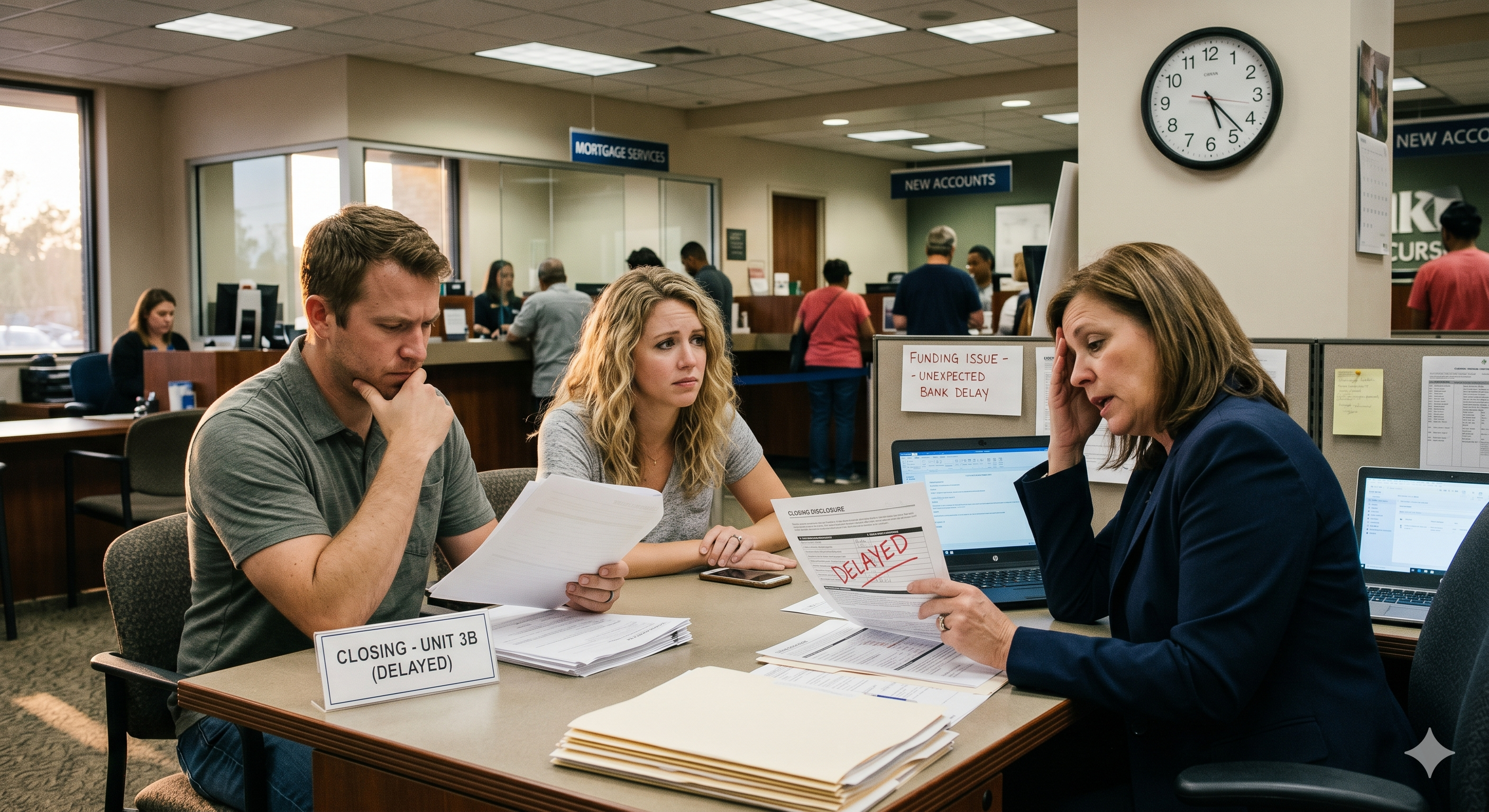
Speed is the ultimate competitive advantage. When you're operating in the best real estate markets for flipping houses, you're often competing with cash buyers who can close in under a week. Traditional mortgages simply can't keep up, often requiring 45 days or more for approval. Asset-based lending is the industry standard because it prioritizes the property's potential value over your personal credit score. This allows you to leverage your capital and secure deals that banks would typically reject due to the property's condition. If you're looking to apply this same principle of rapid access to capital in other markets, you can discover Hydra Funding for immediate access to funded trading accounts.
To get your loan approved quickly, organize your "Investor File" ahead of time. This should include your entity documents, proof of funds for the down payment, and a summary of your previous flips. Having these ready allows for a seamless underwriting process. Working with a lender that acts as a partner rather than a gatekeeper means you get expert feedback on your deal's viability, helping you avoid costly mistakes before you ever break ground.
We focus on the speed and flexibility that Texas investors need to win. Jet Lending, LLC offers short-term loans specifically tailored for the high-velocity nature of rehab projects. We move from application to closing in days, ensuring you don't lose out on a prime opportunity due to slow funding. For a deep dive into how these structures can help you scale your business, read our Hard Money Loan Investor Guide.
Your final move before signing a purchase contract is securing a pre-approval letter. This document signals to sellers and agents that you have the financial backing to close quickly, which is essential in the best real estate markets for flipping houses. Before you commit, run through your final checklist: verify your contractor's timeline, confirm your insurance quotes, and ensure your holding costs are fully accounted for. Success requires a disciplined approach and a reliable funding partner. Contact Jet Lending, LLC today to discuss your next project and get the capital you need to grow.
Success in the best real estate markets for flipping houses comes down to a combination of speed, data, and local expertise. You've seen how markets like Houston and the emerging tech hubs of the Midwest offer unique opportunities for high ROI. By focusing on market velocity and using precise deal analysis tools, you can navigate shrinking margins with confidence. It's about working smarter by letting the numbers lead your investment strategy.
You don't have to navigate this journey alone. With the right partner and a data-driven strategy, your next flip can be your most profitable one yet. Take the next step toward your financial goals and start analyzing your 2026 opportunities today. Let's get to work.
Yes, house flipping remains profitable if you prioritize speed and high-margin deals. Higher interest rates increase your monthly holding costs, which makes efficient project management and quick exits more critical than ever. Investors who focus on neighborhoods with low inventory and high demand can still achieve significant returns by pricing their finished products competitively to ensure a fast sale.
Texas is widely considered the top choice for new investors due to its pro-business environment and lack of state income tax. The best real estate markets for flipping houses for beginners typically offer a mix of affordable entry points and steady population growth. Starting in a market with clear foreclosure laws and a high volume of transactions helps you gain experience without the extreme volatility found in coastal hubs.
You generally need enough capital to cover a down payment of 10% to 20% plus closing costs and a liquid contingency fund. While short-term loans can cover the bulk of the purchase and renovation, lenders want to see that you have "skin in the game." Having reserves for interest payments and unexpected repair issues ensures you can finish the project without financial strain.
Misjudging hyper-local demand and underestimating regional renovation costs are the most common risks. Every city has unique building codes, permit timelines, and property tax nuances that can impact your bottom line. Without a local network or a partner who understands the area, you might accidentally buy a property in a pocket where homes sit on the market for months.
Building relationships with local wholesalers and attending real estate networking events are the most effective ways to find deals. You can also use direct mail campaigns to target distressed owners or "drive for dollars" to spot neglected homes in promising neighborhoods. Finding these properties before they reach the MLS allows you to negotiate better prices and avoid bidding wars in the best real estate markets for flipping houses.
You can, but traditional loans are often too slow and restrictive for professional flipping. Most banks won't finance properties that need major structural repairs or lack a certificate of occupancy. Additionally, the 45-day closing window usually required by banks makes it impossible to compete with cash buyers or investors using rapid, asset-based funding that can close in a few days.
The 70% Rule states that an investor should pay no more than 70% of a property's After Repair Value (ARV) minus the cost of renovations. This formula provides a built-in safety margin to cover holding costs, financing fees, and your desired profit. While some high-demand markets require more flexibility, using this rule as a baseline helps you avoid overpaying for a project.
A hard money loan is a short-term, asset-backed loan where the property serves as the primary collateral. Unlike traditional mortgages, the lender focuses on the property's potential value after it's renovated. These loans provide the capital for both the acquisition and the rehab, allowing you to secure properties quickly. It's a specialized tool designed to help you scale your business by leveraging your capital efficiently.
Tags:

Why are you still waiting 45 days for a bank approval while your competitors close deals in less than a week? You know that in the fast-paced 2026 Texas market, speed is often the only difference...

Why are you still waiting weeks for a bank appraisal while your competitors are already swinging hammers on the best off-market deals in Harris County? In a market where average flip profits...